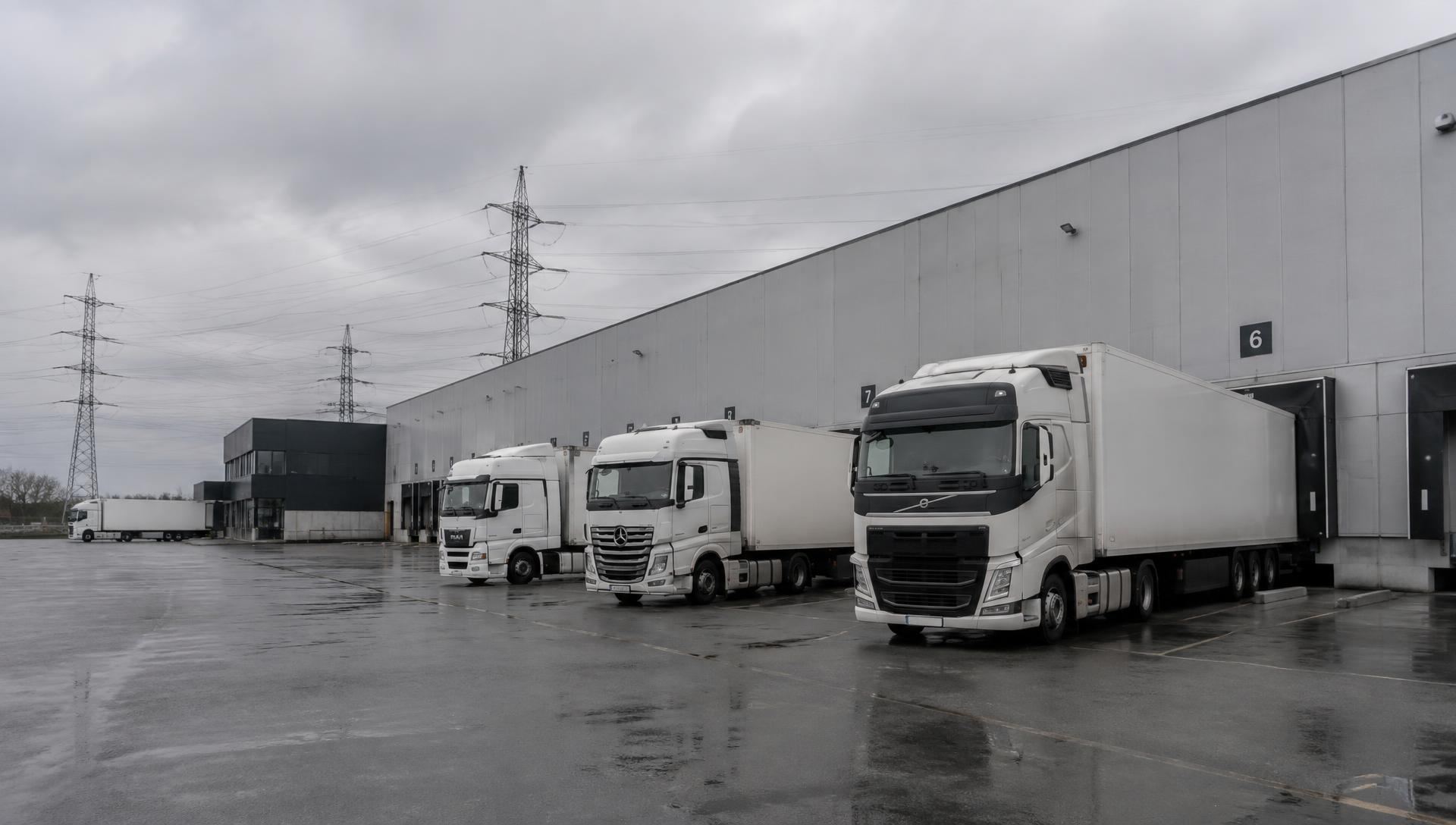
Charging infrastructure for commercial fleets — planned, built, operated.
We develop and build megawatt-scale charging sites and battery storage: grid connection, permitting, funding, construction and commissioning. As general contractor, it stays one contract, one price, one schedule.
Tolls, fleet emission limits and funding determine the timing.
The toll is the only cost item that disappears entirely with the switch.
Charging capacity for depots in Germany by 2030
Total demand 14 GW
The storage system decouples charging capacity from the connection capacity.
Your connection delivers what it delivers. The battery fills from it over the day and releases the peak once the fleet is back at the yard in the evening.
Sample calculation: 400 kW over ten hours plus 2,036 kWh from storage, less about 5% system losses, yields roughly 5,700 kWh per night — 16 heavy trucks with 350 kWh of recharging each. Your specific sizing follows from load profile and dwell times.
Three service areas for one task: the plannable conversion of your fleet.
Five trades, five schedules — and no one owes the result. Electrical planner plans what the utility has not yet approved; Municipal utility names no date for the grid connection; Installer can only build once both are in place; Funding consultant needs documents no one has produced yet; Bank only finances once the project is secured.
One contract partner. Site analysis, grid application, permitting, funding application, construction, storage, charging technology, financing, commissioning and acceptance rest in one hand — with one point of contact and one binding schedule.
Separate contracts owe deliverables — the general contractor owes the result.
Site Development
From yard to running installation — planned, permitted, funded, built.
Read more →02Mobile Power Plant
Charging capacity for sites whose connection cannot carry it.
Read more →03Energy and Marketing
Power procurement at the exchange price and revenue from free storage capacity.
Read more →
The limiting factor is the grid connection, not the vehicle. Whoever applies for the connection early moves forward the point at which the fleet can run.
Installations that are already in operation.
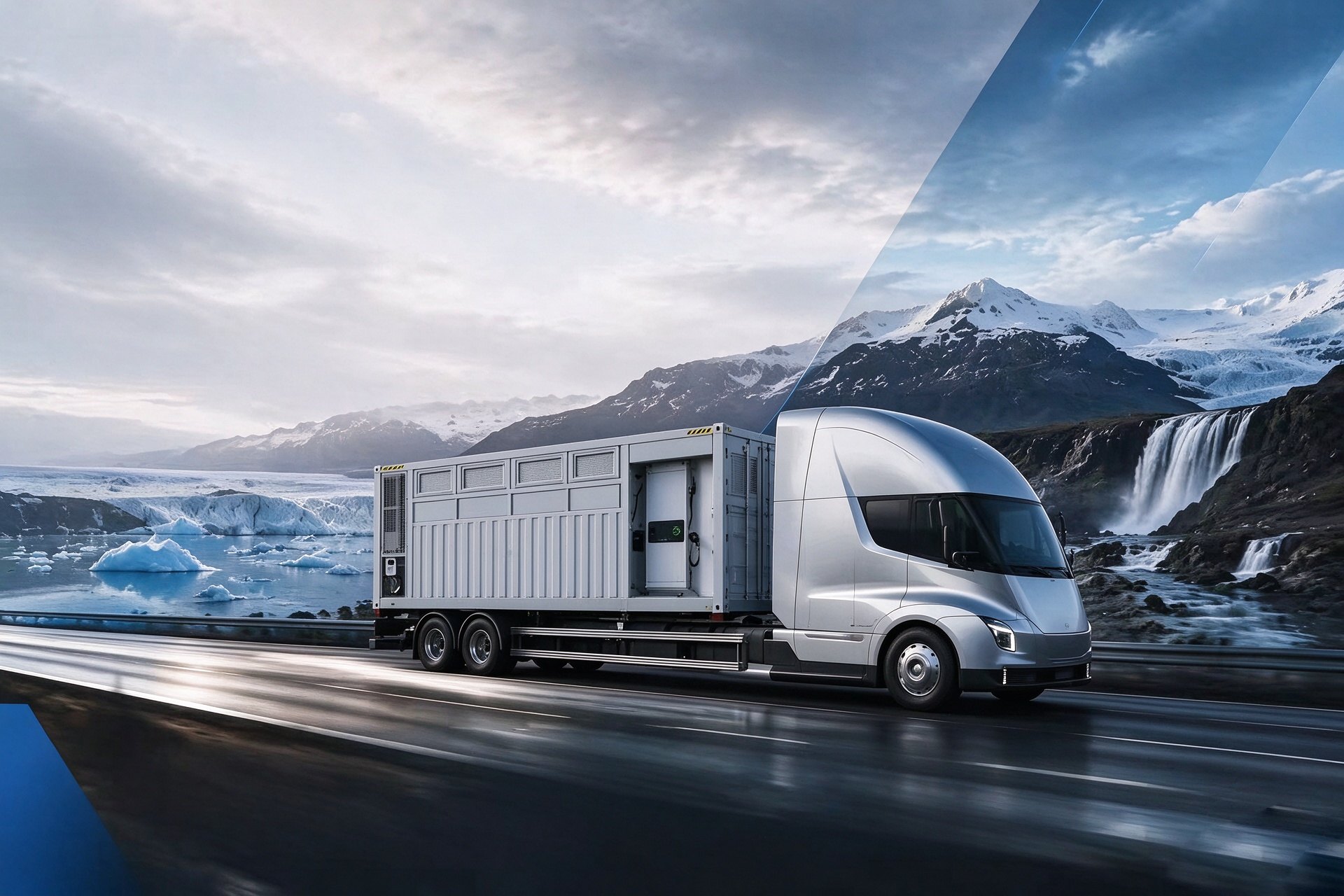 Berlin, Germany · September 2025
First Mobile Power Plant in Europe
20 ft: 400 kW, 1.069 MWh, one 400 kW charger. 40 ft: 800 kW, 2.135 MWh, two 400 kW chargers.
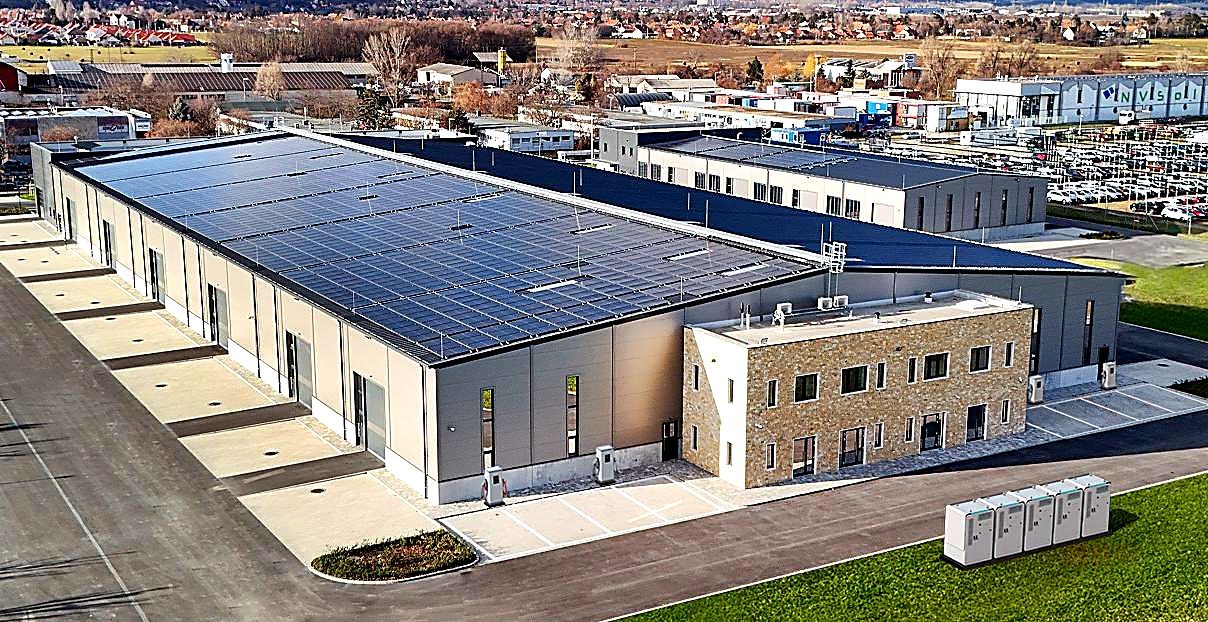 Budapest, Hungary · October 2023
Solar, storage and charging park
499 kW solar, 4 × 160 kW charging capacity, 1,000 kW / 1,160 kWh storage.
 Ningde, China · 2023
Demonstration facility
35 kW solar, 232 kWh storage, 200 kW, four charging bays, 600 A per connector.
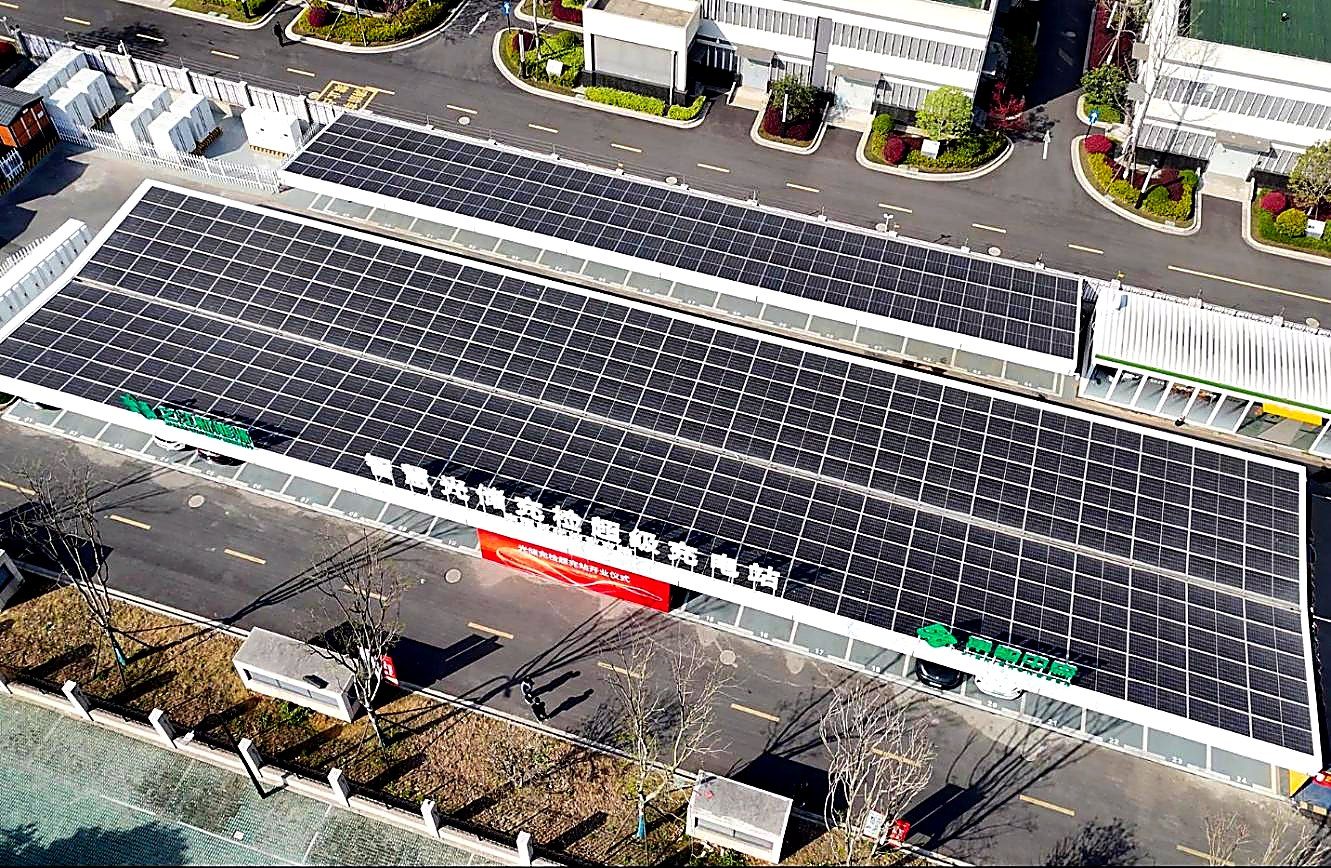 Tianjin, China
Microgrid with island operation
60 charging bays, 1 MW / 1.2 MWh, peak shaving, backup power.
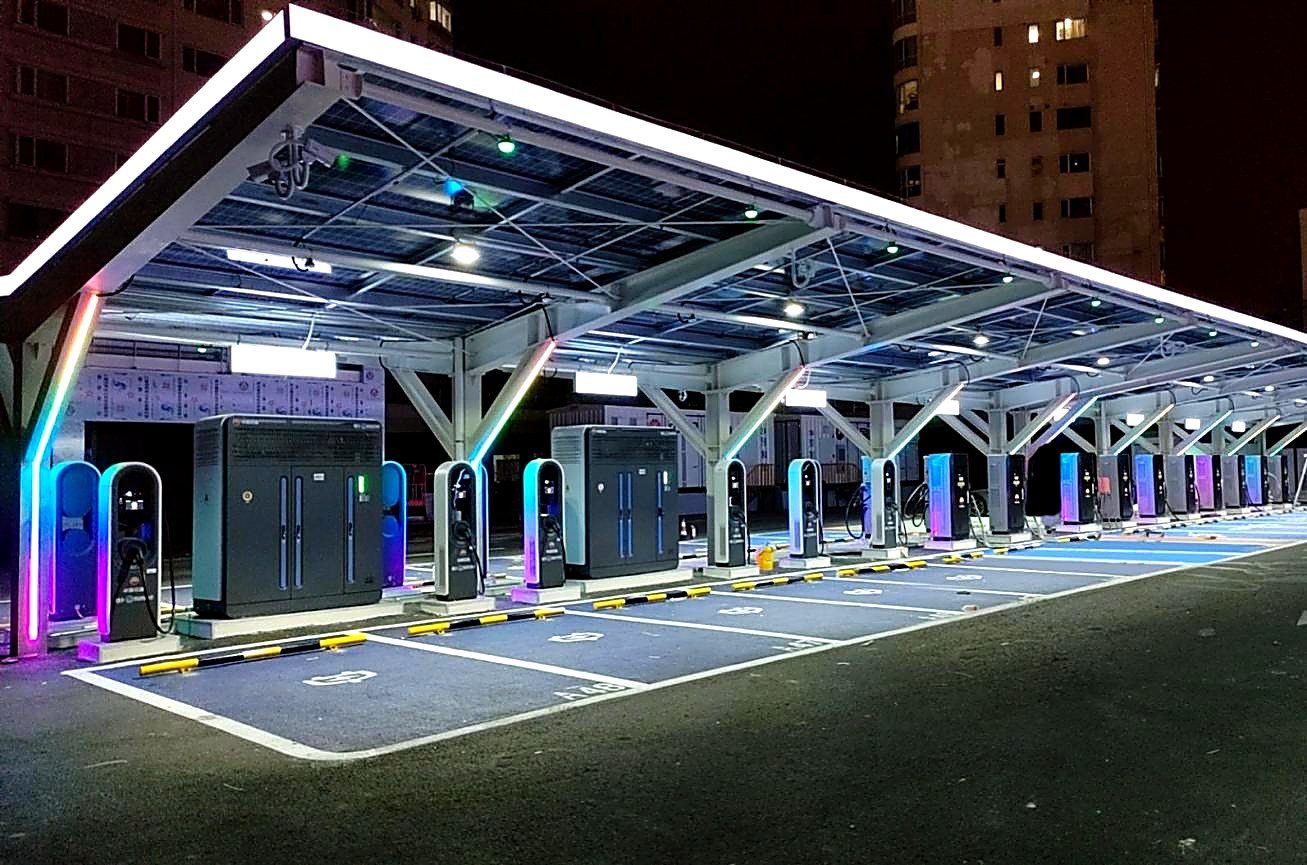 Hangzhou, China
Charging park with bidirectional charging
64 charging bays, 1.8 MW / 2.1 MWh, frequency and peak-load control.
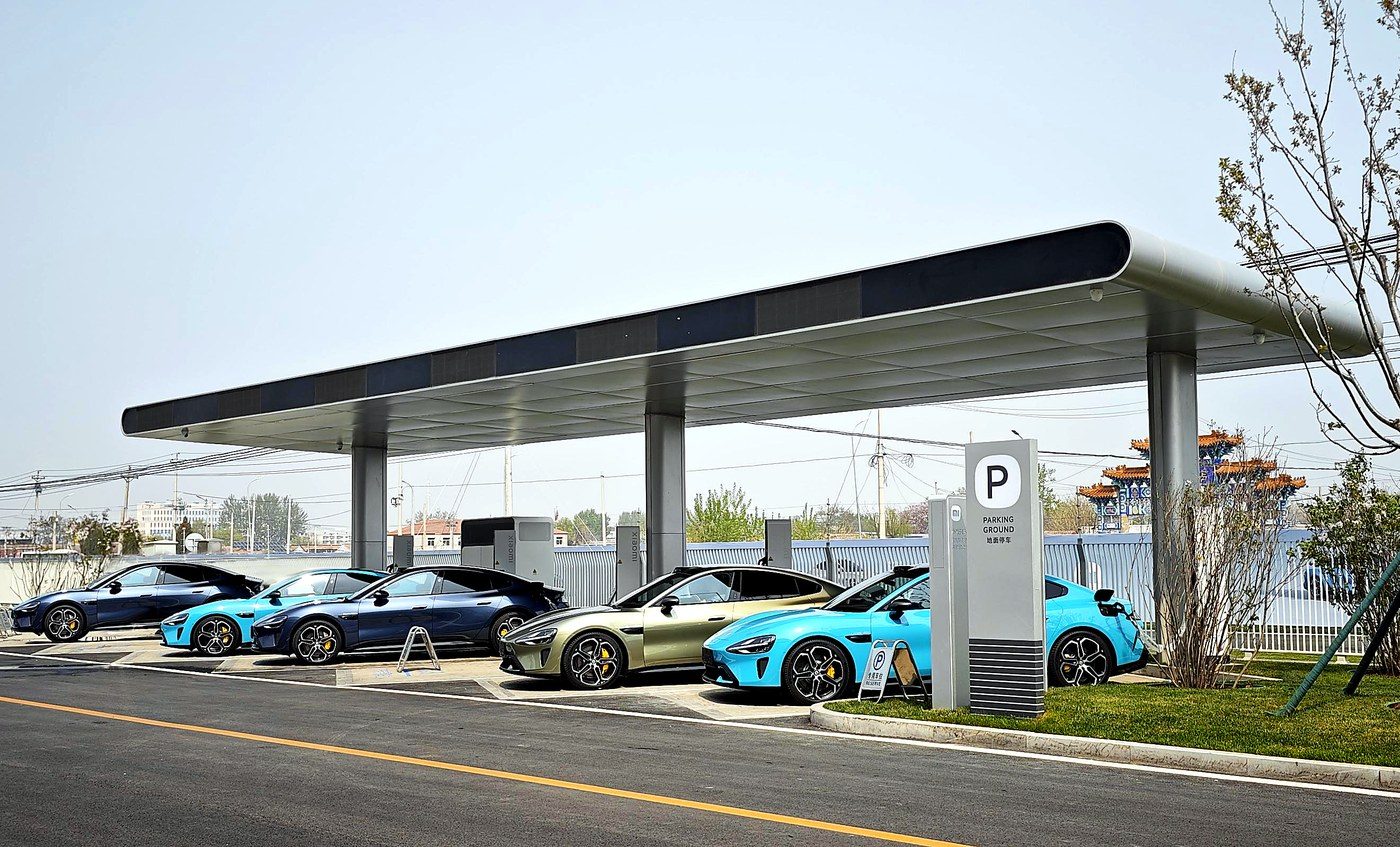 China
Fast-charging park
Realized by Quibo Energy, under the Sunnic / SNETL brand until 2026. Figures per manufacturer documentation.

The German side of the company comes from real estate development — around 40 years of planning, permitting and construction of large-scale projects. The technology comes from Quibo Energy, strategically invested in by CATL, with Xiaomi as a shareholder, and installations in more than 25 countries.
For you, it stays one contract, one price, one schedule. Planning, permitting, grid connection, construction and acceptance run through Munich; that is also where warranty and point of contact reside.
The site first. Then the numbers.
Tell us where your yard is and how many vehicles you want to convert. We will get back to you within two working days.